➔ 
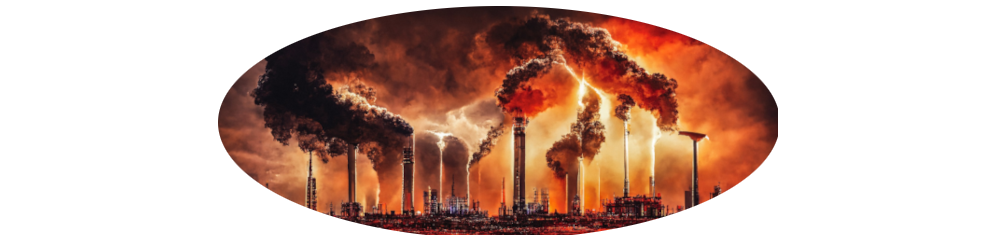
La pollution est la destruction ou dégradation d’un écosystème ou de la biosphère par l’introduction, généralement humaine, d’entités (physiques, chimiques ou biologiques), ou de radiations altérant le fonctionnement de cet écosystème1. La pollution a des effets importants sur la santé et la biosphère, comme en témoigne l’exposition aux polluants et le réchauffement climatique qui transforme le climat de la Terre et son écosystème, en entraînant l’apparition de maladies inconnues jusqu’alors dans certaines zones géographiques, des migrations de certaines espèces, voire leur extinction si elles ne peuvent s’adapter à leur nouvel environnement biophysique. Source : wikipedia



filtre:
University of Reading
For many of us the climate crisis mainly calls to mind rising global temperatures, but the crisis goes far beyond this – we are at risk of pushing our planet across climate ‘tipping points,’ critical thresholds where small changes can lead to abrupt and irreversible shifts in the Earth’s climate system. One major element in climate tipping is a huge system of ocean currents, the Atlantic Meridional Overturning Circulation (AMOC), which is responsible for Europe's relatively mild climate. Past climate patterns show that these currents can switch abruptly between today’s vigorous flow and a much weaker flow state. A future shutdown would have potentially devastating consequences in Europe and around the world.
Warming Stripes for GLOBE from 1850-2020 Data: Berkeley Earth, NOAA, UK Met Office, MeteoSwiss, DWD, SMHI, UoR, Meteo France & ZAMG