➔ 
Les champs auteur(e)s & mots-clés sont cliquables. Pour revenir à la page, utilisez le bouton refresh ci-dessous.



filtre:
The Climate Book
2026
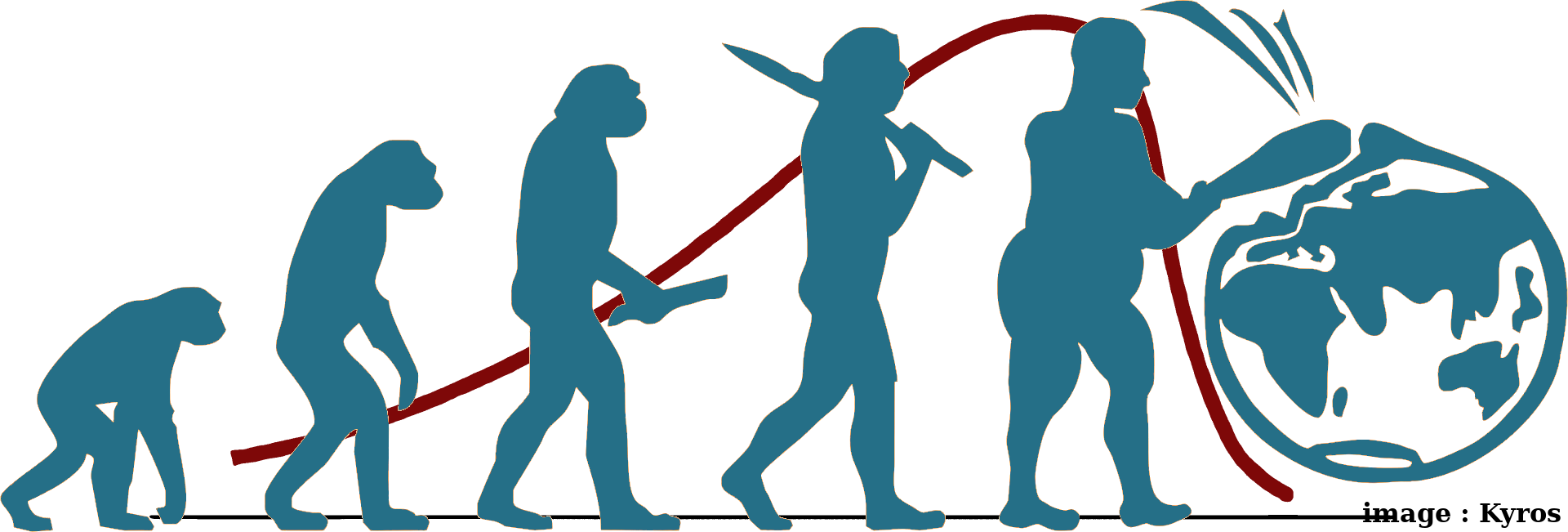
Today, we are close to the critical moment when conventional economic growth becomes impossible on a finite planet, constrained by two parallel factors: resource depletion and pollution. Tthe depletion of fossil fuels and other mineral commodities is placing heavy constraints on both industrial and agricultural production. We are not running out of anything yet, but the cost of extraction is increasing, just as the damage that extraction causes to the ecosystem. On the other side, pollution is appearing in more than one form. Chemical pollution is growing in terms of heavy metals, endocrine-disruptors, and other poisoning substances, while climate change can be seen as another form of pollution generated by the excess of CO2 in the atmosphere.
2022
Après 4 ans d'attente Greta Thunberg accorde une interview exceptionnelle à la Terre au carré, à l'occasion de la sortie de son livre "The Climate Book". La jeune militante écologiste suédoise, âgée de 19 ans, parle aussi de son engagement, de sa vie aujourd'hui et de ses ambitions pour l'avenir.
In An Inconvenient Apocalypse, authors Wes Jackson and Robert Jensen style themselves as heralds of some very bad news: societal collapse on a global scale is inevitable, and those who manage to survive the mass death and crumbling of the world as we know it will have to live in drastically transformed circumstances. According to Jackson and Jensen, there’s no averting this collapse – electric cars aren’t going to save us, and neither are global climate accords. The current way of things is doomed, and it’s up to us to prepare as best we can to ensure as soft a landing as possible when the inevitable apocalypse arrives.
Climatenomics lays out how ‘supply chain disruptions’ has become a euphemism for the effects of climate change
2021
Deep adaptation’ refers to the personal and collective changes that might help us to prepare for – and live with – a climate-influenced breakdown or collapse of our societies. It is a framework for responding to the terrifying realization of increasing disruption by committing ourselves to reducing suffering while saving more of society and the natural world. This is the first book to show how professionals across different sectors are beginning to incorporate the acceptance of likely or unfolding societal breakdown into their work and lives.



Listing généré avec