Le climat est la distribution statistique des conditions de l’atmosphère terrestre dans une région donnée pendant une période donnée. L’étude du climat est la climatologie. Elle se distingue de la météorologie qui désigne l’étude du temps dans l’atmosphère à court terme et dans des zones ponctuelles. source : wikipedia
COPERNICUS – Mises à jour
Les champs auteur(e)s & mots-clés sont cliquables. Pour revenir à la page, utilisez le bouton refresh ci-dessous.



filtre:
Silvia Pineda-Munoz PhD
A new study uncovers Earth’s deep temperature history and shows just how tightly carbon dioxide has always controlled the climate
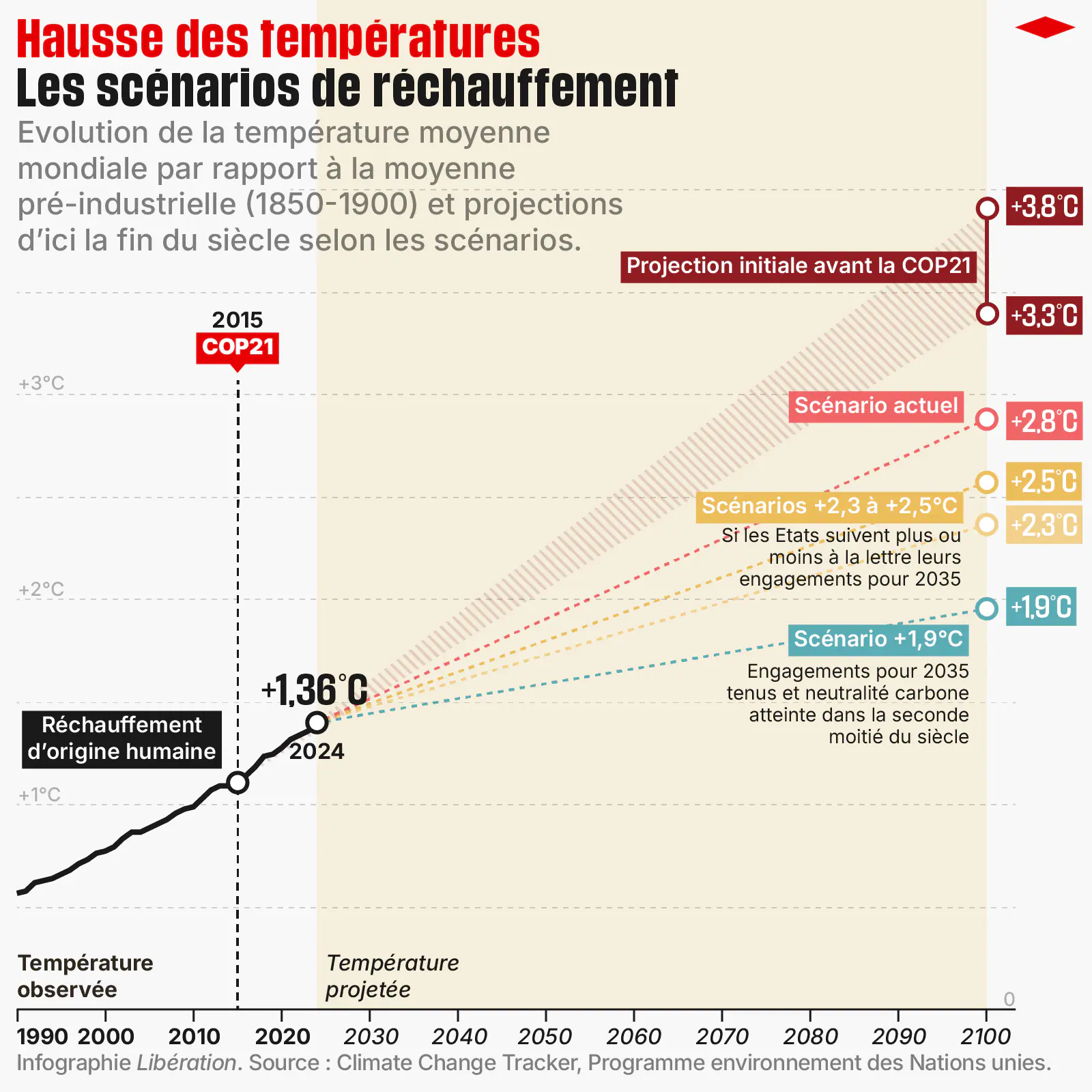
In response to global climate change, other systems, such as global oceanic circulations, could collapse, with devastating consequences. When it comes to battling climate change, some people think that the only issue we may be facing is that the climate may get a few degrees warmer. And, of course, if you live in rather cold areas on Earth, you wouldn’t mind some extra warmth. Even if you live in a temperate region, you may be inclined to think that 1.5 to 3 °C may not be such a big deal after all. […] But there is much more to climate change than warming temperatures. For example, in a previous story, I talked about how, by studying fossil records, we discovered the catastrophic chain of events following increased greenhouse gas emissions and global warming. The list goes on and on, from ocean acidification and anoxia to droughts and mass extinctions.